Ecosystem: The Reflection
I Am Proud to Have Done My Best
An older voice finds purpose and gratitude in love, endurance and the shelter left for family.

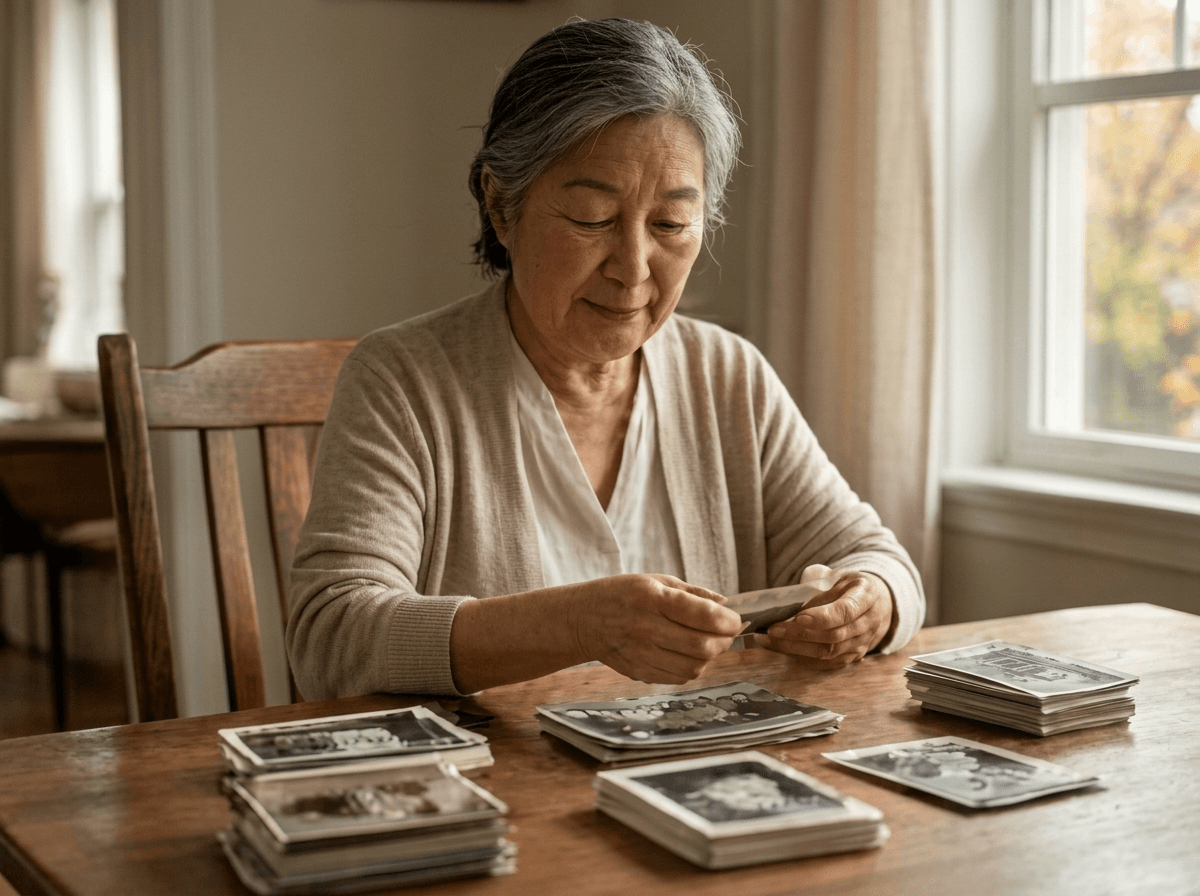
The photographs are spread across the dining table when you pause over one from thirty years ago. The children are small. Your hair is darker. Everyone is laughing at something you can no longer remember. Then comes the question you rarely say aloud: Did I do enough with the life I was given?
It can arrive after retirement, at a significant birthday, during an illness, or simply while clearing a cupboard. You remember the chances you missed more easily than the ordinary days you held a family together. A sharp word returns with perfect clarity; a thousand quiet kindnesses blur into the background.
But a life is not honestly measured by its flawless moments. It is measured by what you kept trying to give: love, steadiness, shelter, attention and the courage to begin again. Doing your best does not mean doing everything perfectly. It means meeting the seasons of your life as faithfully as you could with what you knew then.
Regret is loud. It points to the job you did not take, the apology that came late, the years when work consumed too much of you. Gratitude is often quieter. It lives in packed lunches, lifts to appointments, repaired gates, repeated advice and phone calls made when you were tired.
Many people recognise this imbalance. A retired father can list every school concert he missed but struggles to count the mornings he left early so the bills were paid. A grandmother remembers losing patience with a teenager, yet overlooks the hundreds of times she made her home a safe place to return to. A friend still feels guilty for not having the right words during a crisis, even though they were the person who kept turning up.
None of this erases harm or excuses what should have been different. Where repair is possible, an honest conversation still matters. But honest reflection must include the whole record. If you examine only your failures, you are not being more truthful. You are leaving out evidence.
Legacy can sound grand, as though it belongs to public figures, buildings and names engraved in stone. Most legacy is much more ordinary. It is a way of listening that your daughter now offers her own children. It is the recipe a neighbour still makes. It is the confidence of a colleague you encouraged when they were new. It is a family story that helps someone understand where they came from.
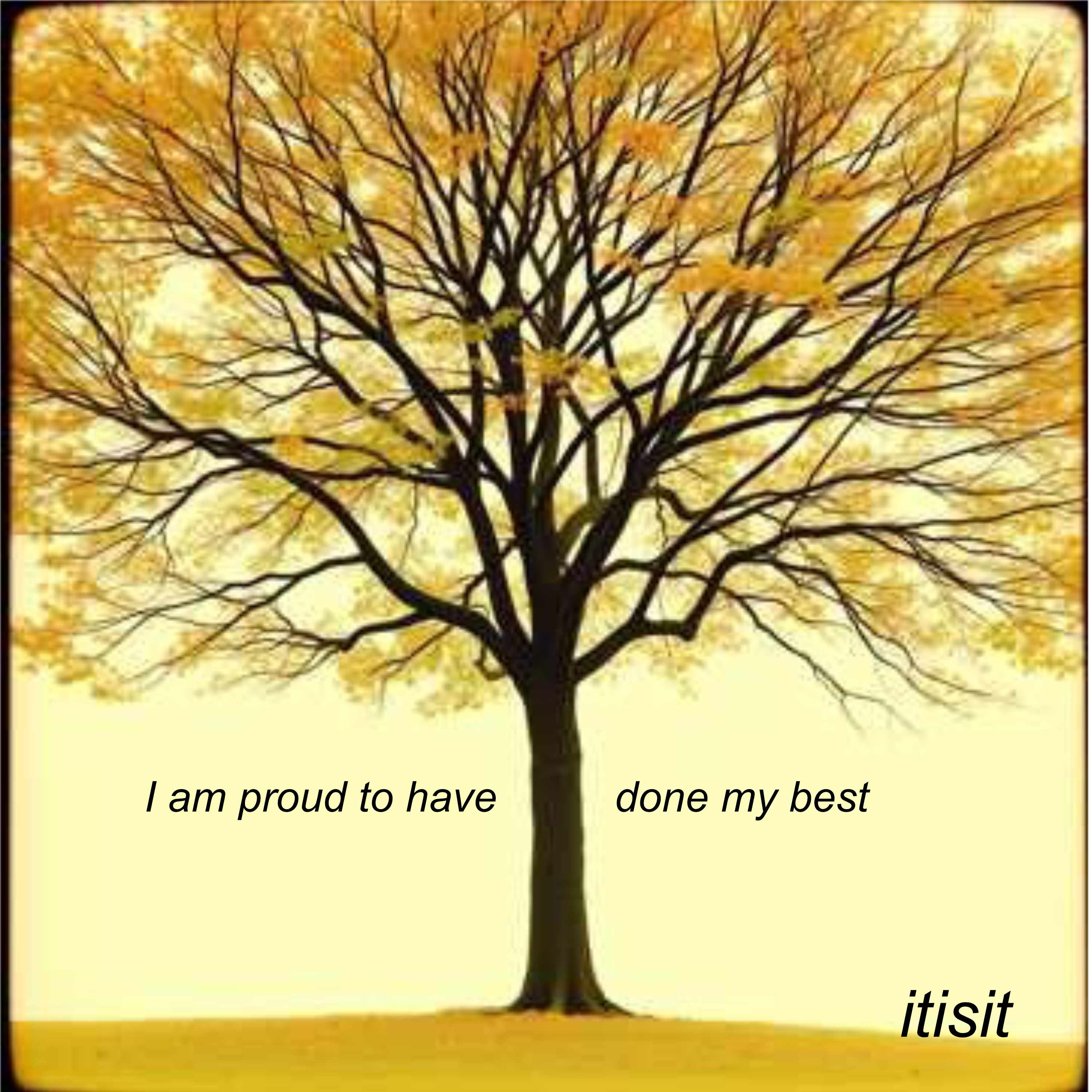
Think of a tree. We notice the canopy, but its life also sits in hidden roots, old scars and rings no one sees. Some years bring generous growth. Others are about surviving wind, drought or damage. The difficult season is not missing from the tree's story; it becomes part of its strength.
Your life has those rings too. There may have been years when success meant achievement, and years when success meant getting out of bed and caring for one person. There may be choices you would now make differently. That does not cancel the love you gave or the shelter you became.
"Was my life impressive enough?" is a question that rarely offers peace. It compares your private complexity with someone else's visible milestones. A kinder and more useful question is: "What became a little better because I was here?"
Perhaps someone felt believed. Perhaps your children learned that setbacks can be survived. Perhaps you made a workplace fairer, kept a friendship alive, cared for a parent, planted a garden, shared a skill or made a stranger feel less alone. These things may never appear in a biography. They still count.
If you are reviewing your life now, try making two lists. On the first, write what you wish had been different. On the second, write what you gave, protected, taught, repaired or made possible. Do not rush the second list. Ask people you trust what they received from you. Their answers may surprise you because we are often poor witnesses to our own quiet influence.
Then choose what remains yours to do. Offer the apology. Tell the story. Record the recipe. Say thank you. Let someone know you are proud of them. Legacy is not only what is remembered after you are gone; it is also what you deliberately pass on while you are here.
You may never feel certain that you got everything right. Nobody does. A well-lived life is not a spotless account. It is a human one: marked by storms and calm, mistakes and repair, roots and new branches.
When you look again at the photograph, do not ask only what has been lost. Notice what grew. Notice who found shade beside you. Notice the love that travelled further than you could see.
You were never required to live perfectly. You were asked to live sincerely, to keep learning, and to give what you could. If that is what you tried to do, you are allowed to say it without apology: I did my best, and my life was enough.
Ecosystem: The Reflection
An older voice finds purpose and gratitude in love, endurance and the shelter left for family.

Ecosystem: The Reflection
Before responsibility, timetables, and quiet self-doubt moved in, most of us were unguarded dreamers — barefoot, unhurried, convinced that whatever we imagined could actually happen. This piece looks at what that early wildness gave us, why it tends to fade, and why letting a little of it back in isn't childish at all.
Read Story
Ecosystem: The Reflection
A reflection on the moment ageing becomes visible and the choice to treat it as either loss or as evidence of a life fully lived. Encourages readers to replace self-erasure with perspective, gratitude and continued participation.
Read Story