OiU began with a simple observation: most of what shapes a life happens quietly — a moment of being seen, a small act of understanding, a memory that resurfaces without warning. These moments rarely make the news, yet they carry real weight.
This publication exists to hold space for that weight. We gather perspectives from across ages, identities, and circumstances — not to categorise experience, but to notice what runs underneath it: recognition, reflection, connection, and, quietly, hope.
There is no single story here. There is only the ongoing work of paying attention to one another.
Almost nobody remembers the exact moment they learned not to cry — it arrives in small pieces until it feels like a fact rather than a lesson. This piece looks at how that rule gets installed, and what not having an outlet actually costs.
Most songs, like most stories, pick a single moment and stay there: the moment of falling in love, the moment of loss, the moment of triumph. It's a reasonable choice — a single moment is easier to make universal than a whole life is. This piece is about the rarer, harder choice: telling an entire life span front to back, without skipping the unglamorous stretches in between.
Doubt is often treated as the loudest voice in the room, the one that drowns everything else out. This piece looks at the quieter voice that keeps running beneath it the whole time — and what it takes to actually hear it.
Not knowing what's coming is treated by default as a problem to solve through enough planning. This piece accepts the not-knowing as the actual condition being lived in, and asks what living fully inside it actually looks like.
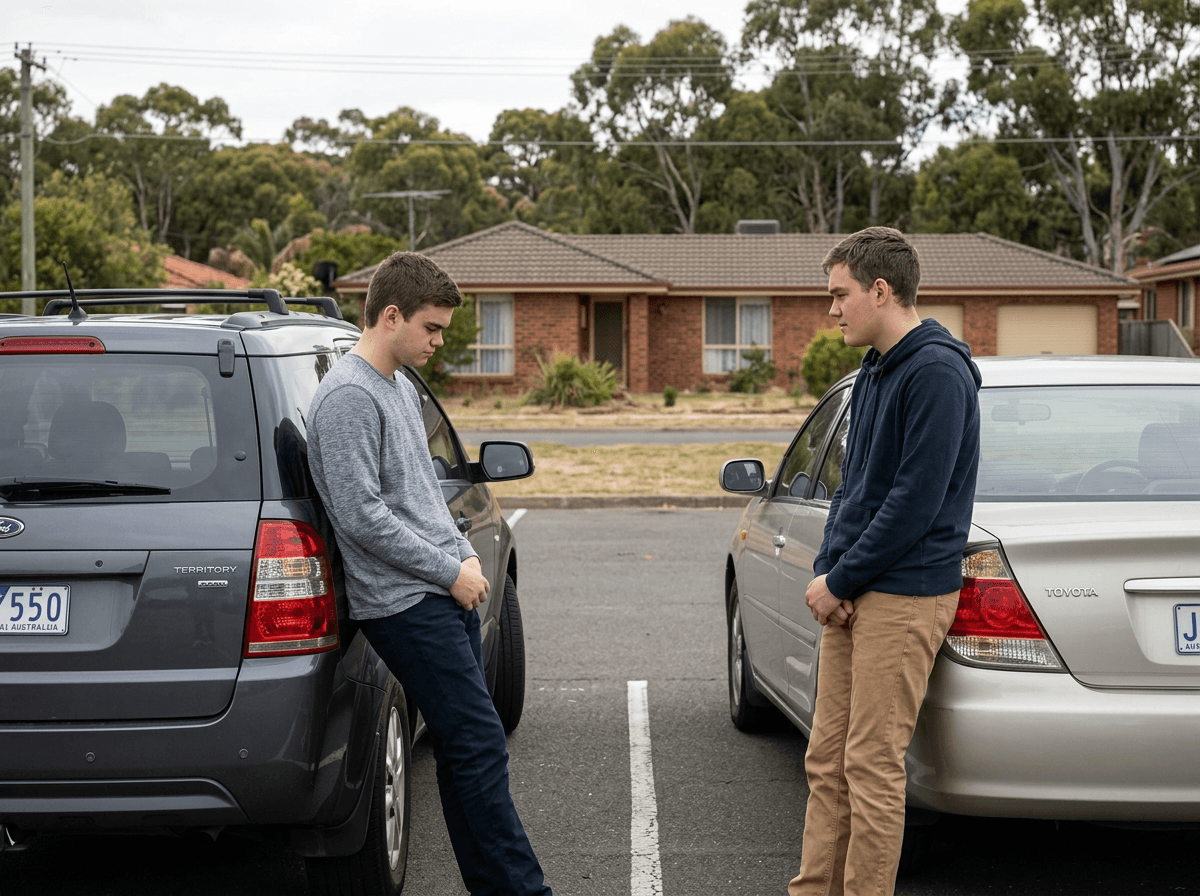
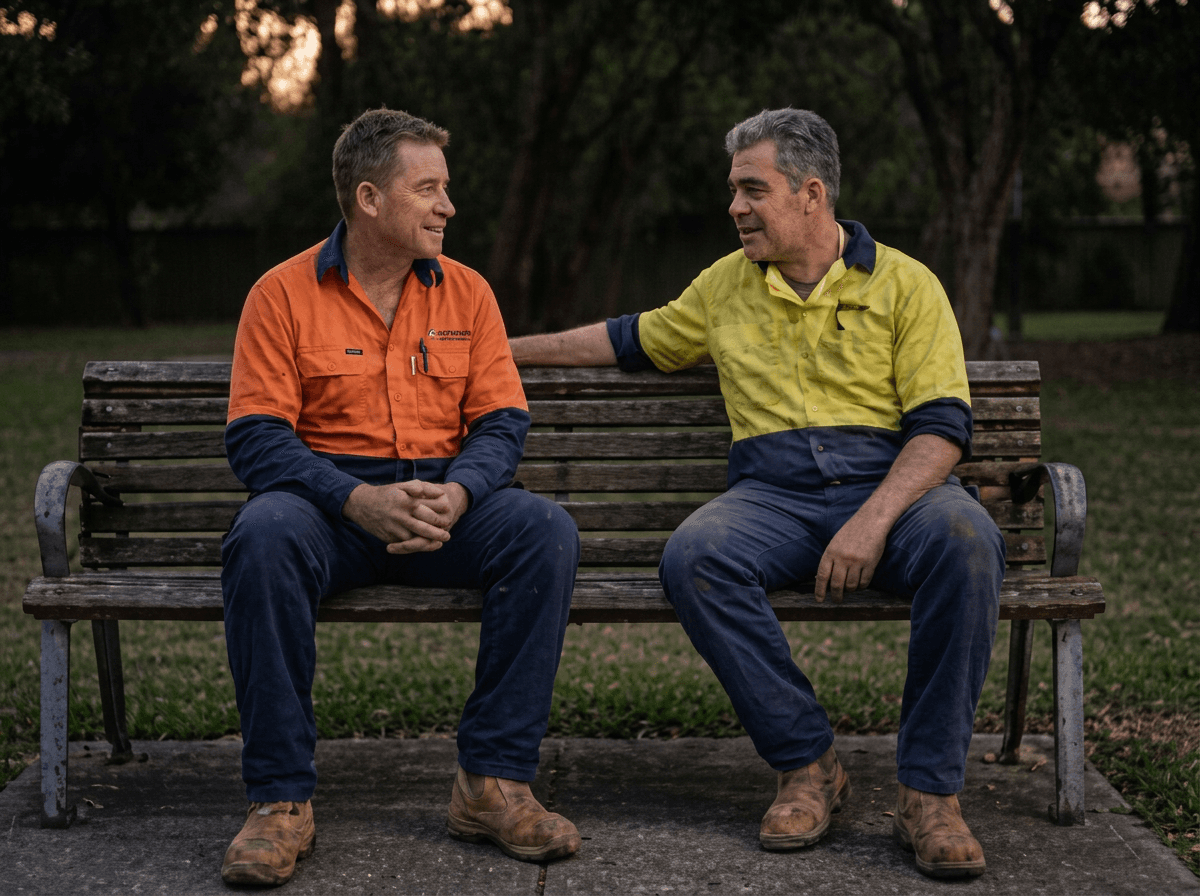
Two separate social worlds meeting for the first time can go many ways. This piece looks at a specific, low-pressure version: mild delight at the overlap, rather than anxiety about it or a rush to fully merge everything at once.
Steel doesn't get its strength despite the fire — it gets its strength because of it. This piece looks at that counterintuitive process, and why not all difficulty works this way, but some genuinely does.
There's a specific, almost irrational confidence that shows up right before something begins again, regardless of how the last attempt went. This piece looks at why that feeling keeps returning, and why it doesn't need to be accurate to be useful.
A smile usually reads as evidence everything's fine. Sometimes it's doing the opposite — holding real effort together so nobody looks closer. This piece is about that exhausting, protective kind of performance.
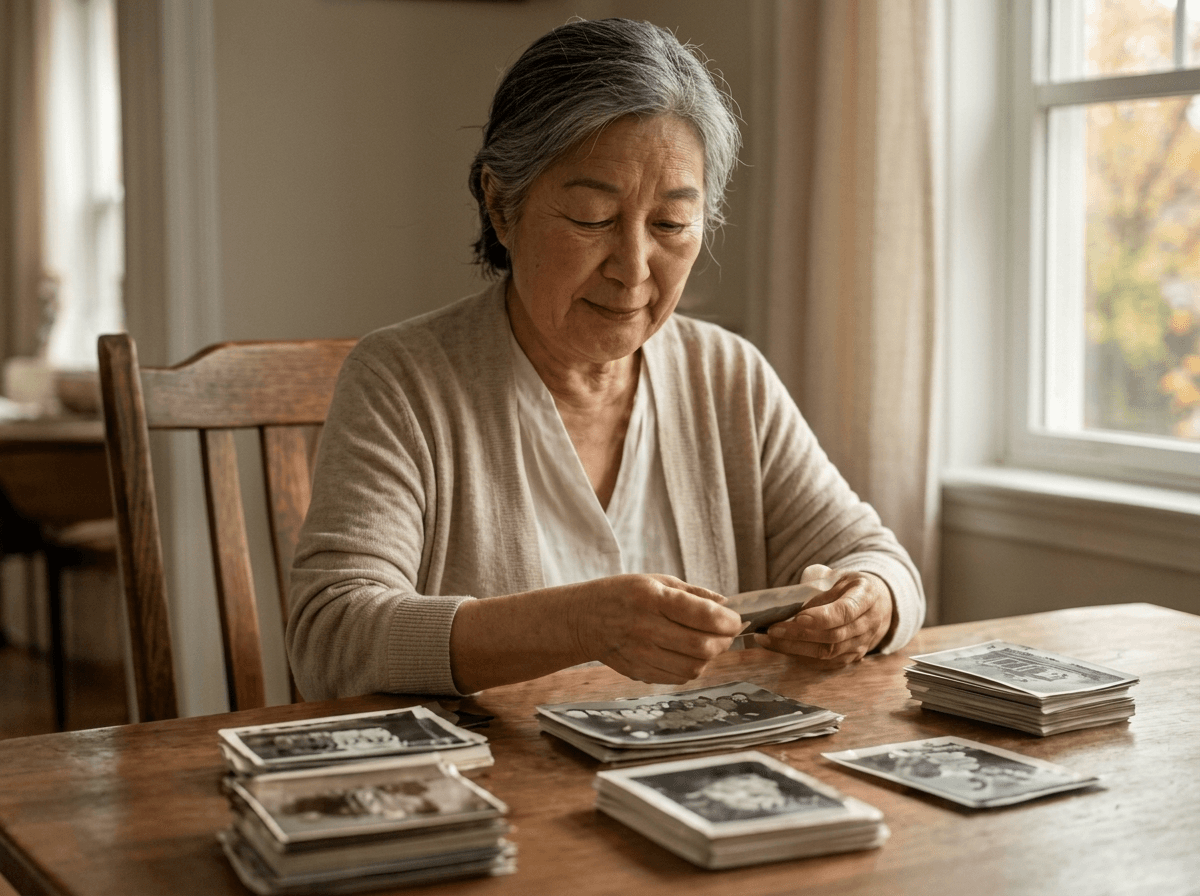
A reflection on the moment ageing becomes visible and the choice to treat it as either loss or as evidence of a life fully lived. Encourages readers to replace self-erasure with perspective, gratitude and continued participation.
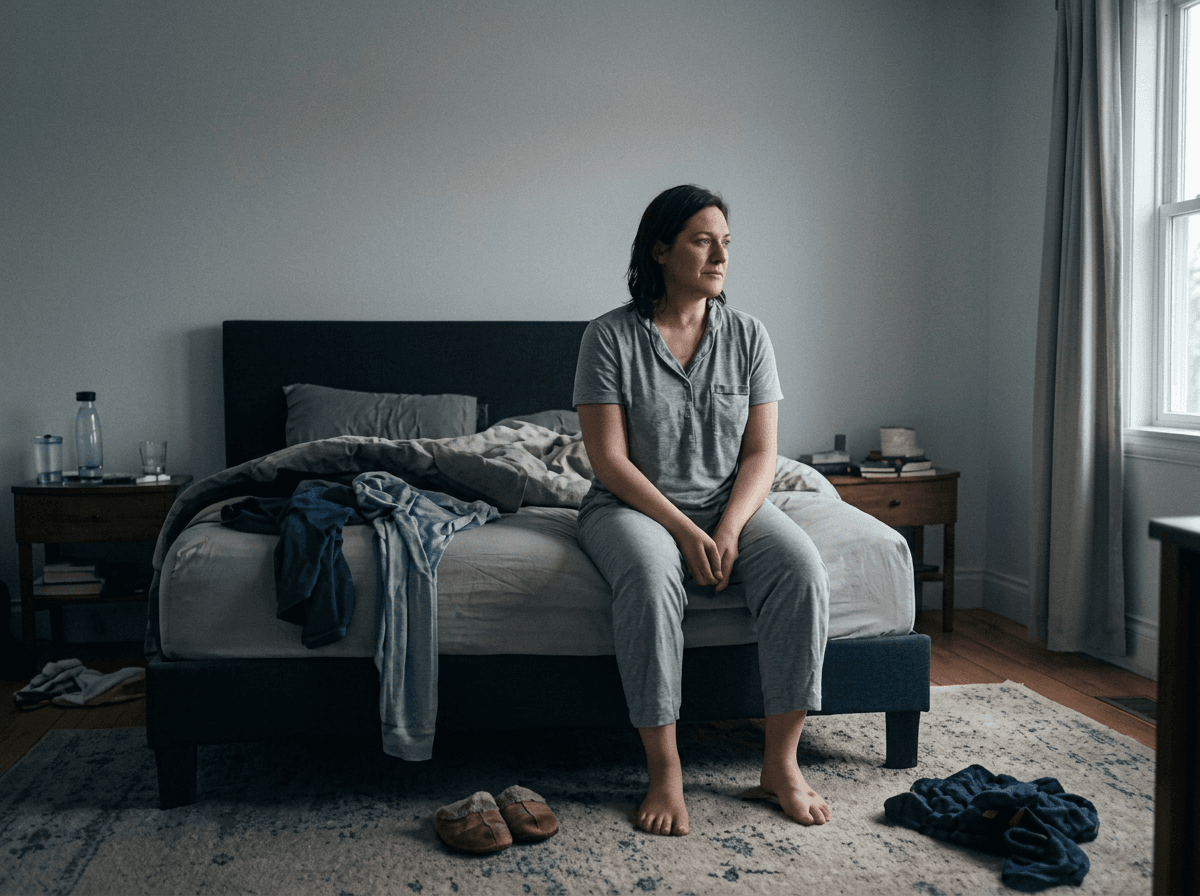
A practical reflection on beginning again while anxiety is still present: naming what is happening, reducing the next step, and treating steadiness as a practice rather than a condition that must arrive first.
Before responsibility, timetables, and quiet self-doubt moved in, most of us were unguarded dreamers — barefoot, unhurried, convinced that whatever we imagined could actually happen. This piece looks at what that early wildness gave us, why it tends to fade, and why letting a little of it back in isn't childish at all.
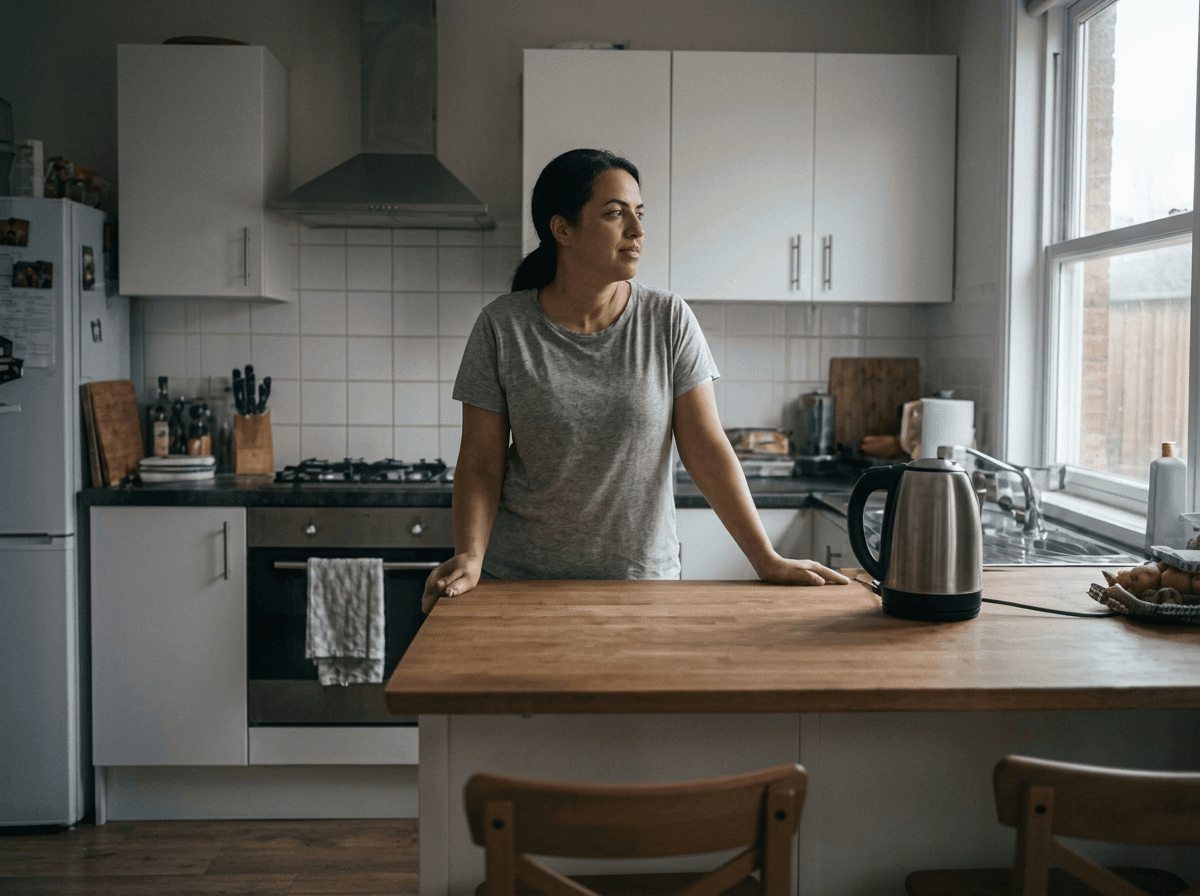
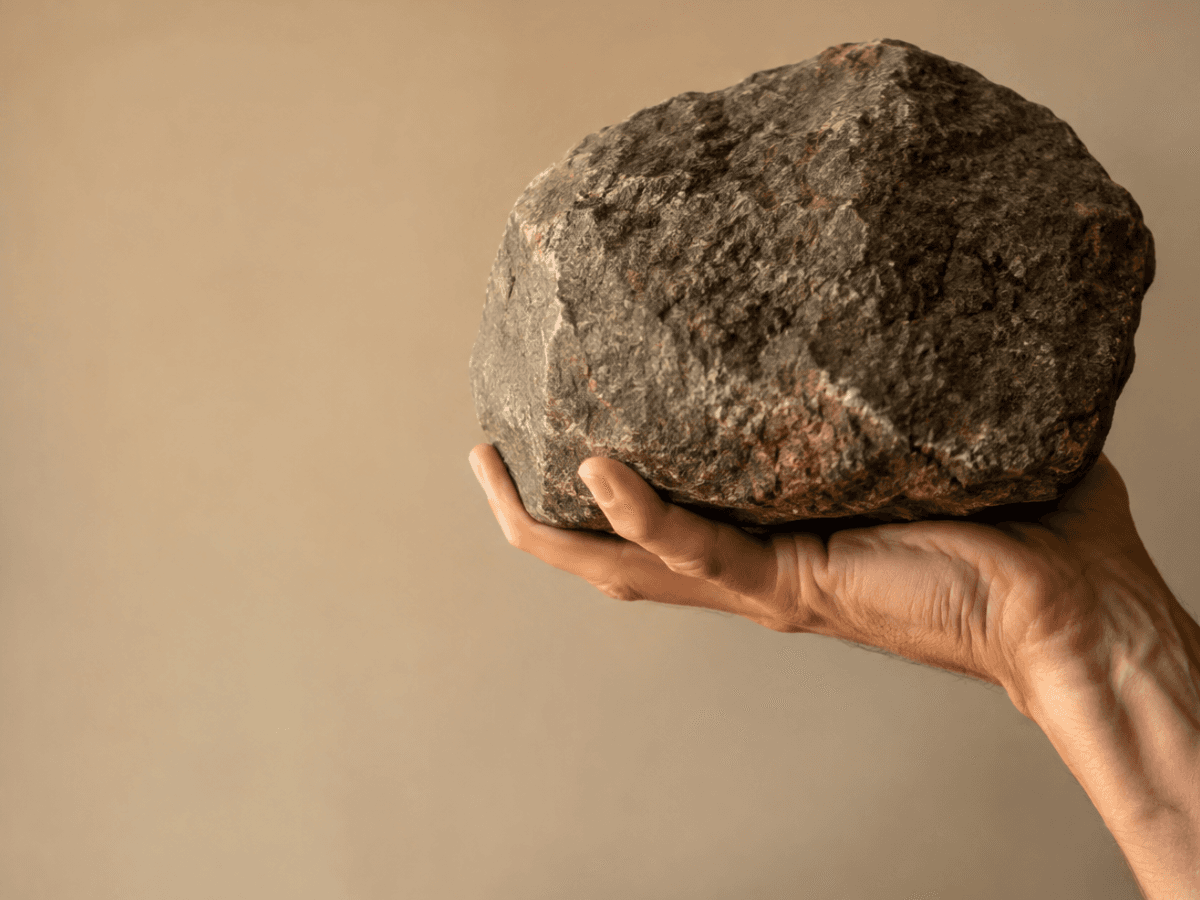
"Carry the weight, but never let it overflow" sounds reasonable until it's examined closely — it demands a load be carried while guaranteeing zero visible strain. This piece looks at the quiet impossibility built into that instruction.
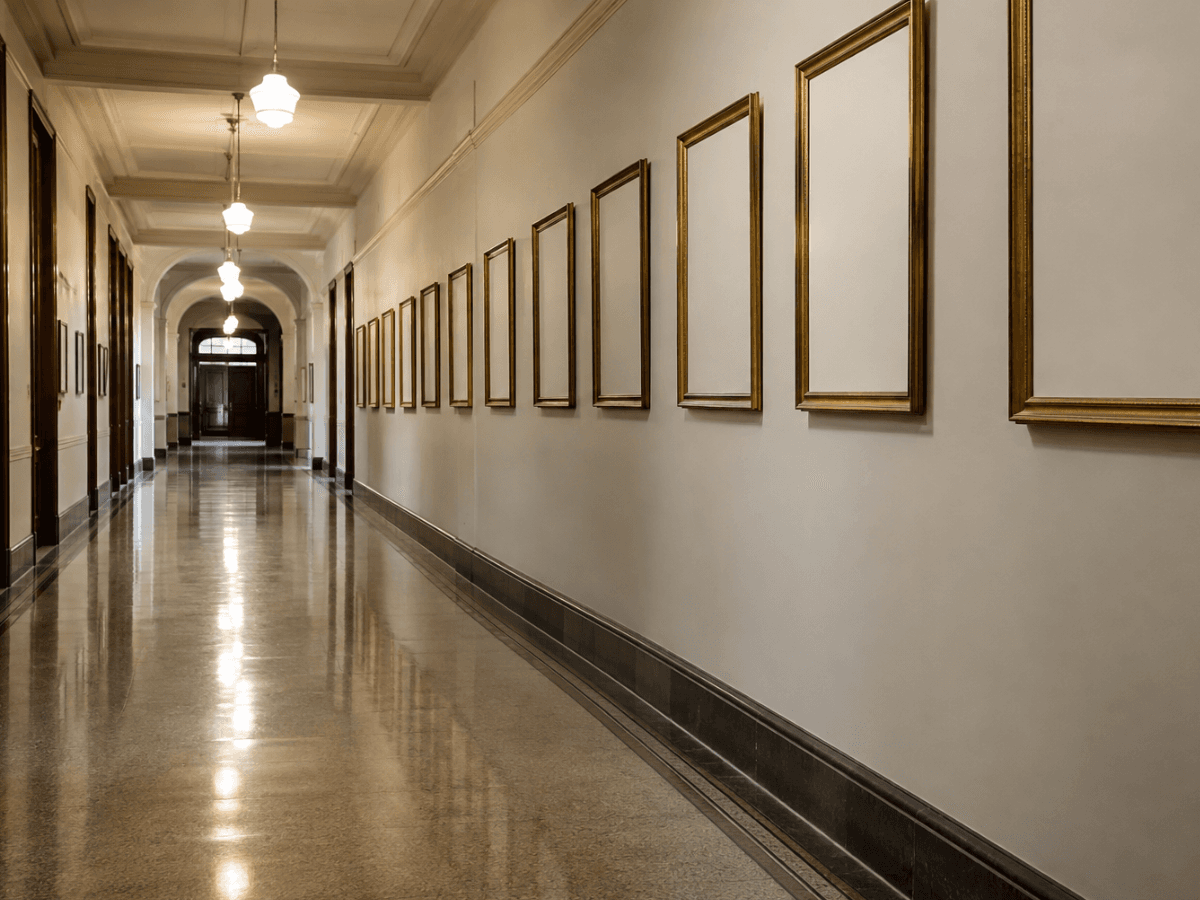
Most institutions have a wall of past leaders, and looking closely at who's on it usually reveals something never intended to be said out loud. This piece is about reading those walls honestly, and why changing them matters.
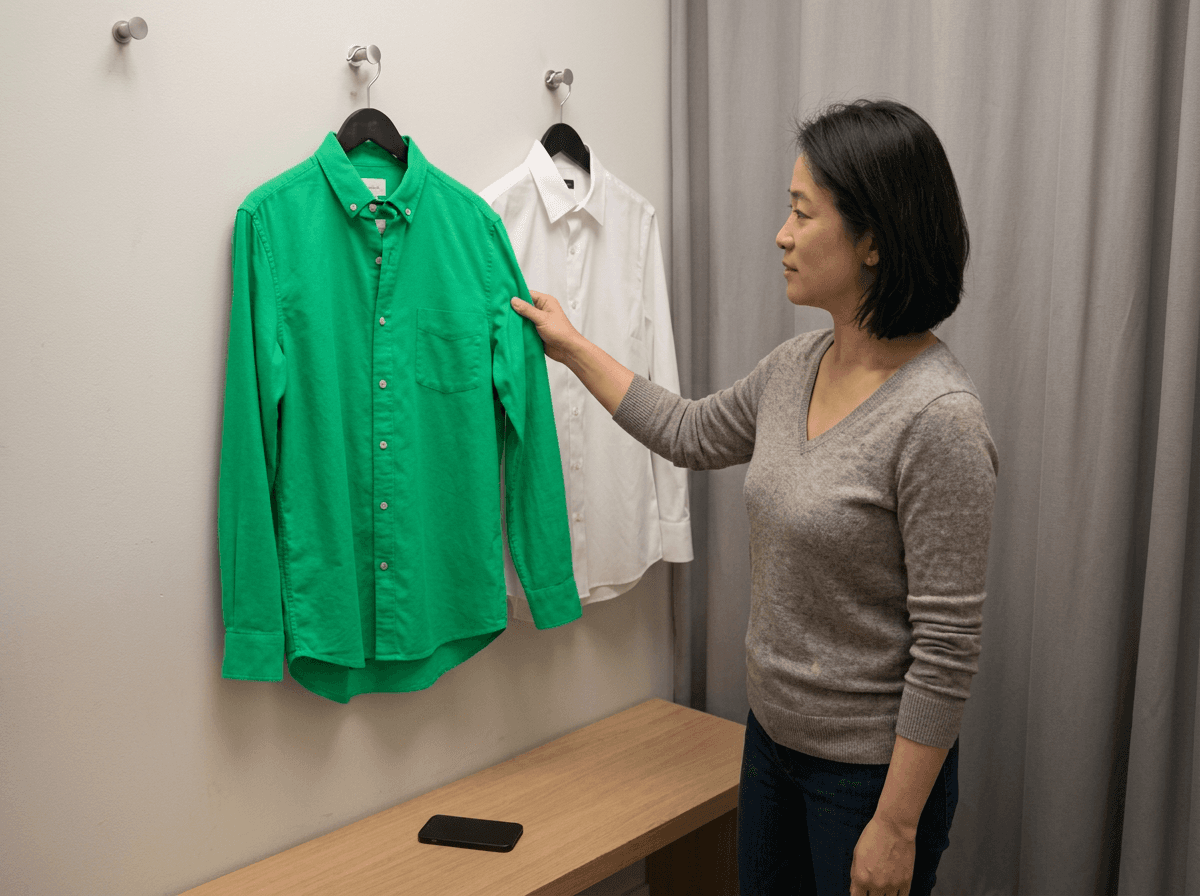
Struggling to put a feeling into words isn't the same as not having one. This piece looks at the gap between feeling something fully and having the practiced vocabulary to say it — and why naming that gap out loud can be enough.