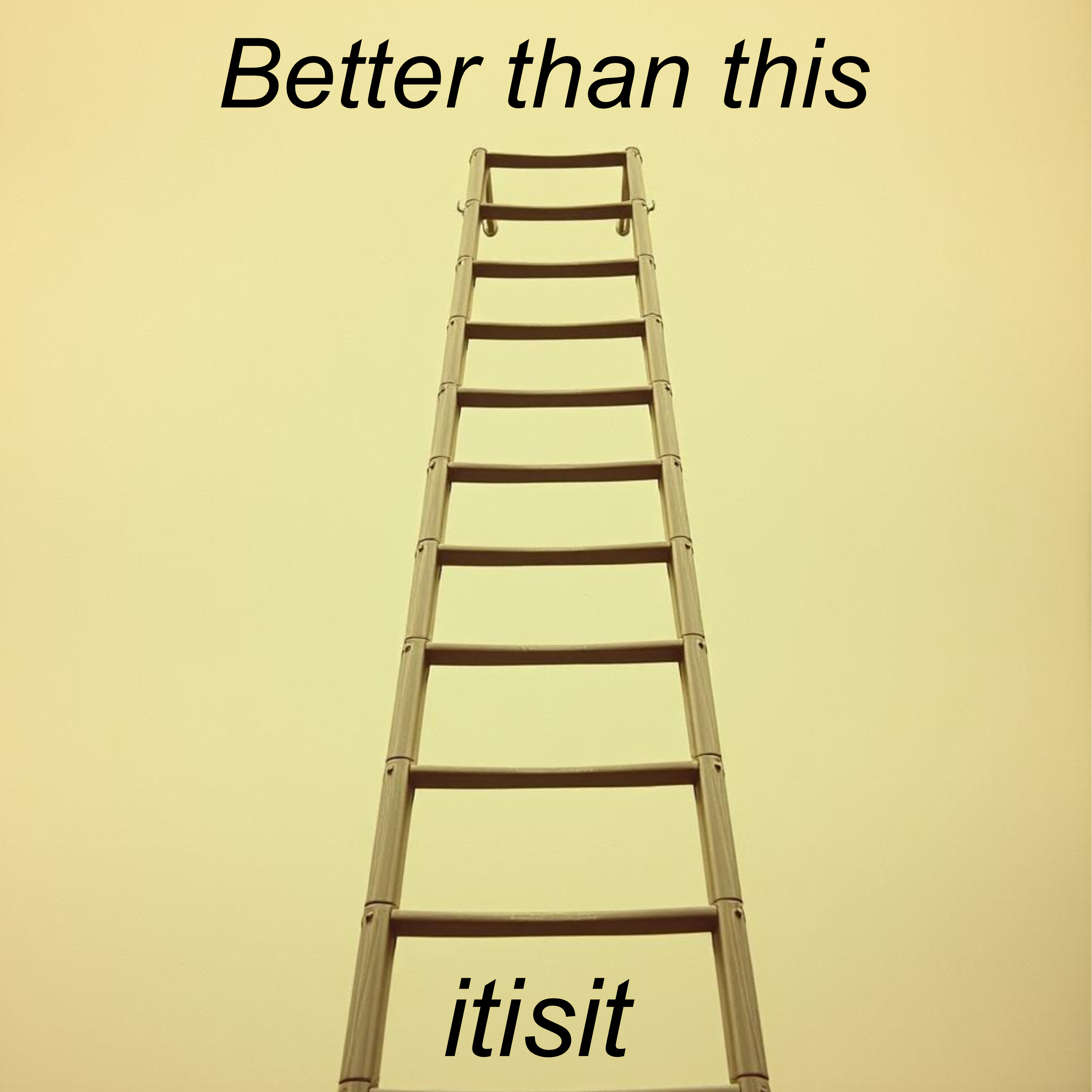
Ecosystem: The Unfairness
Better Than This
A hopeful call to confront inequality, release pride and build change through courage and kindness.


"I stumble on words I want to say, the feelings are there but slip away" — Better Than This
Plenty of people carry something they genuinely want to say and simply can't get it out in a form that matches what they feel. This isn't the same as not knowing what you feel — it's a specific, frustrating gap between having the feeling and having the vocabulary for it.
It's easy to mistake silence for absence — to assume someone who doesn't talk about their feelings doesn't have complicated ones. Usually the opposite is true: the feeling is fully present, sometimes overwhelmingly so, and what's actually missing is a practiced way of turning it into words that land the way it's meant.
Nobody is born fluent in naming emotion. It's a skill, built through practice and permission — and plenty of people, especially men raised on "don't make a big deal of it," simply weren't given the same amount of practice. The stumbling isn't a character flaw. It's an undertrained muscle, not a missing one.
The fix isn't necessarily eloquence. Sometimes the honest, if clumsy, "I don't have the right words for this, but I'm feeling something big" does more work than a polished sentence would. Naming the gap out loud can be its own form of closing it.
There's a song that opens on exactly this stumble — feeling something real and struggling to say it — before making a wider case for men being allowed to try anyway. Give it a listen: https://oiu.com.au/songs/better-than-this
Ecosystem: The Unfairness
A hopeful call to confront inequality, release pride and build change through courage and kindness.

Ecosystem: The Unspoken
Most advice about hard periods treats them as an enemy to defeat. This piece explores a different relationship to difficulty — not an opponent, but a starting point — and what becomes possible once the fighting stops.
Read Story
Ecosystem: The Unspoken
Worry tends to feel like a private failure. This piece makes the opposite claim — that worry is universal, not personal — and asks what changes once it stops being treated as evidence against you.
Read Story
Ecosystem: The Unspoken
There's a particular isolation reserved for people who struggle competently — quietly enough that nobody around them finds out how bad it's gotten. This piece looks at that loneliness, and why doing it well doesn't make it easier.
Read Story
Ecosystem: The Unspoken
There's an unspoken hierarchy where "overcoming" something ranks above merely "managing" it. This piece pushes back directly, making the case that ongoing, undramatic management deserves to count as a genuine win.
Read Story
Ecosystem: The Unspoken
Almost nobody remembers the exact moment they learned not to cry — it arrives in small pieces until it feels like a fact rather than a lesson. This piece looks at how that rule gets installed, and what not having an outlet actually costs.
Read Story
Ecosystem: The Unspoken
A smile usually reads as evidence everything's fine. Sometimes it's doing the opposite — holding real effort together so nobody looks closer. This piece is about that exhausting, protective kind of performance.
Read Story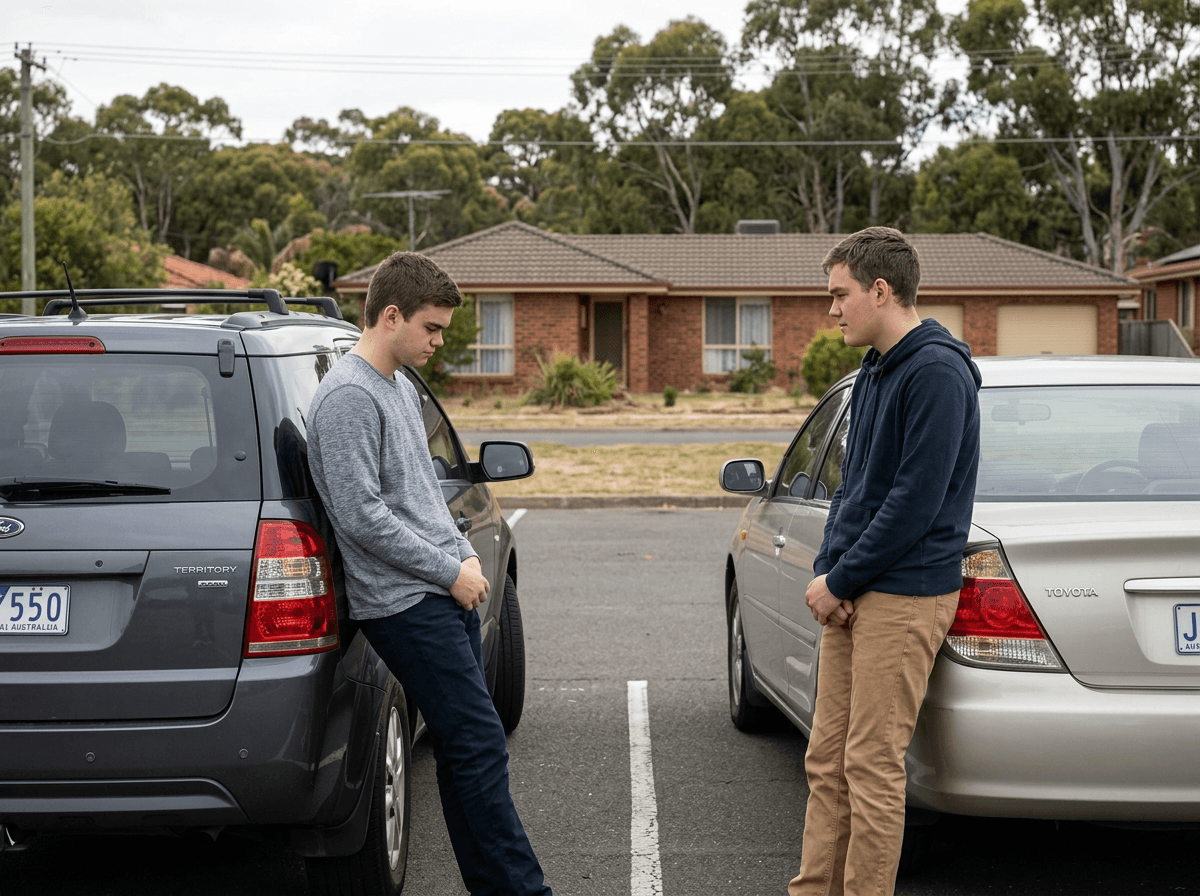
Ecosystem: The Unspoken
Why admitting difficulty can be an act of strength that deepens trust, connection and self-respect.
Read Story
Ecosystem: The Unspoken
Mixed feelings can coexist without making you inconsistent, difficult or broken.
Read Story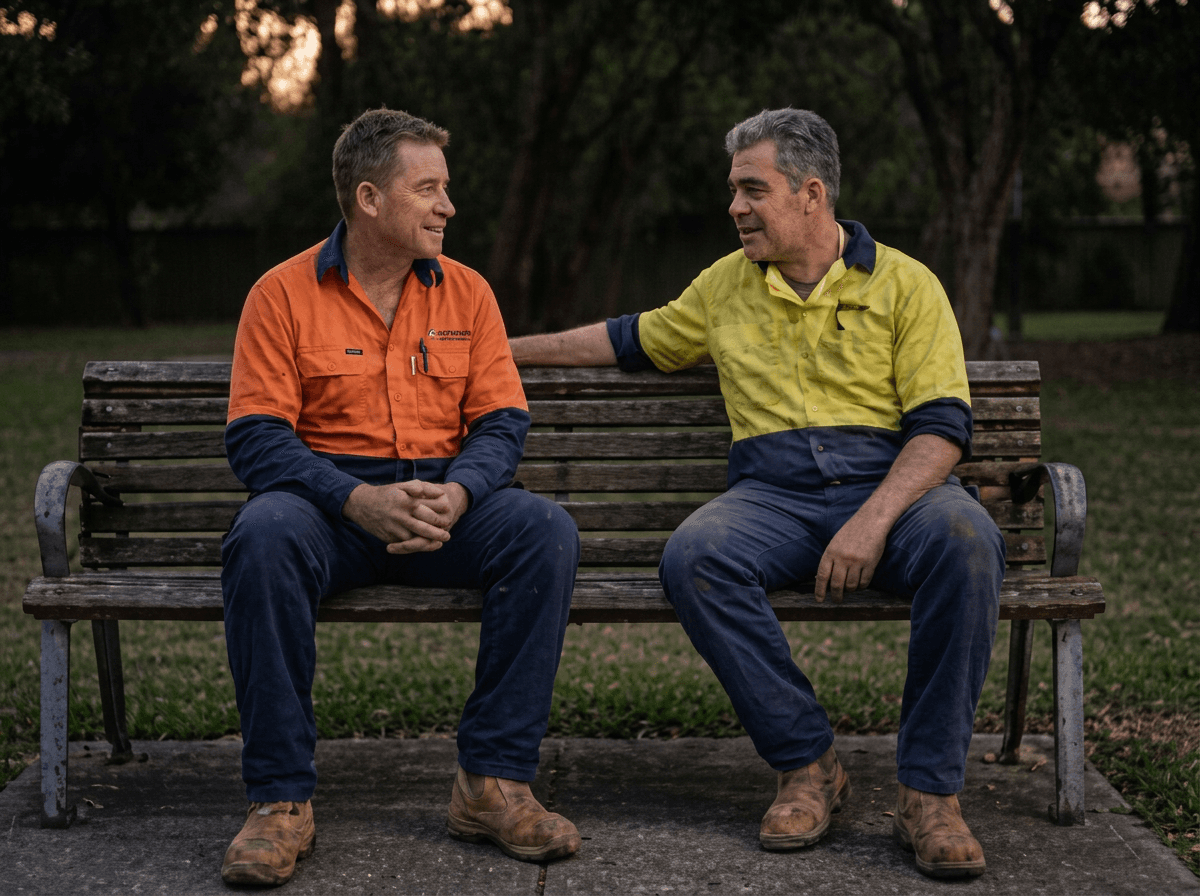
Ecosystem: The Unspoken
When silence becomes automatic, one honest sentence can reopen connection and make support possible.
Read Story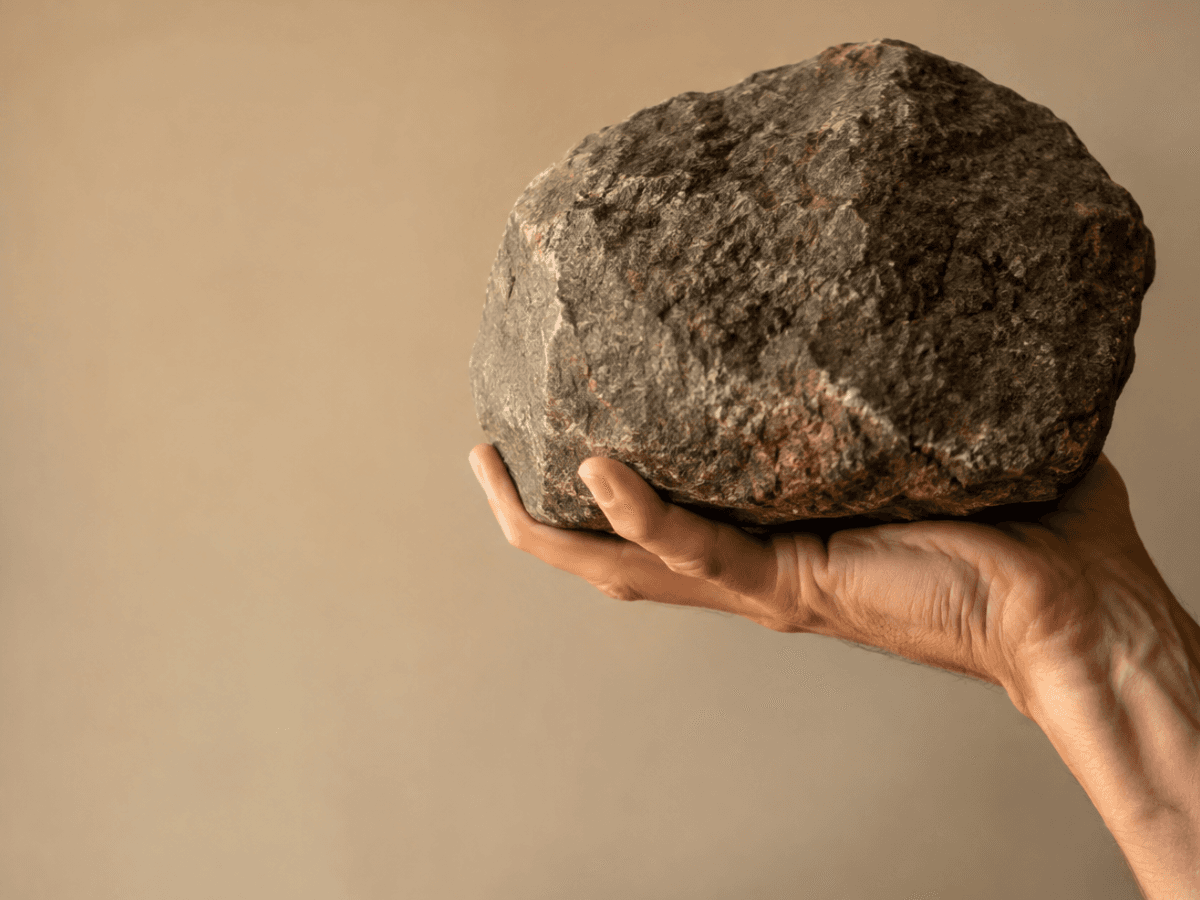
Ecosystem: The Unspoken
"Carry the weight, but never let it overflow" sounds reasonable until it's examined closely — it demands a load be carried while guaranteeing zero visible strain. This piece looks at the quiet impossibility built into that instruction.
Read Story