Ecosystem: The Unspoken
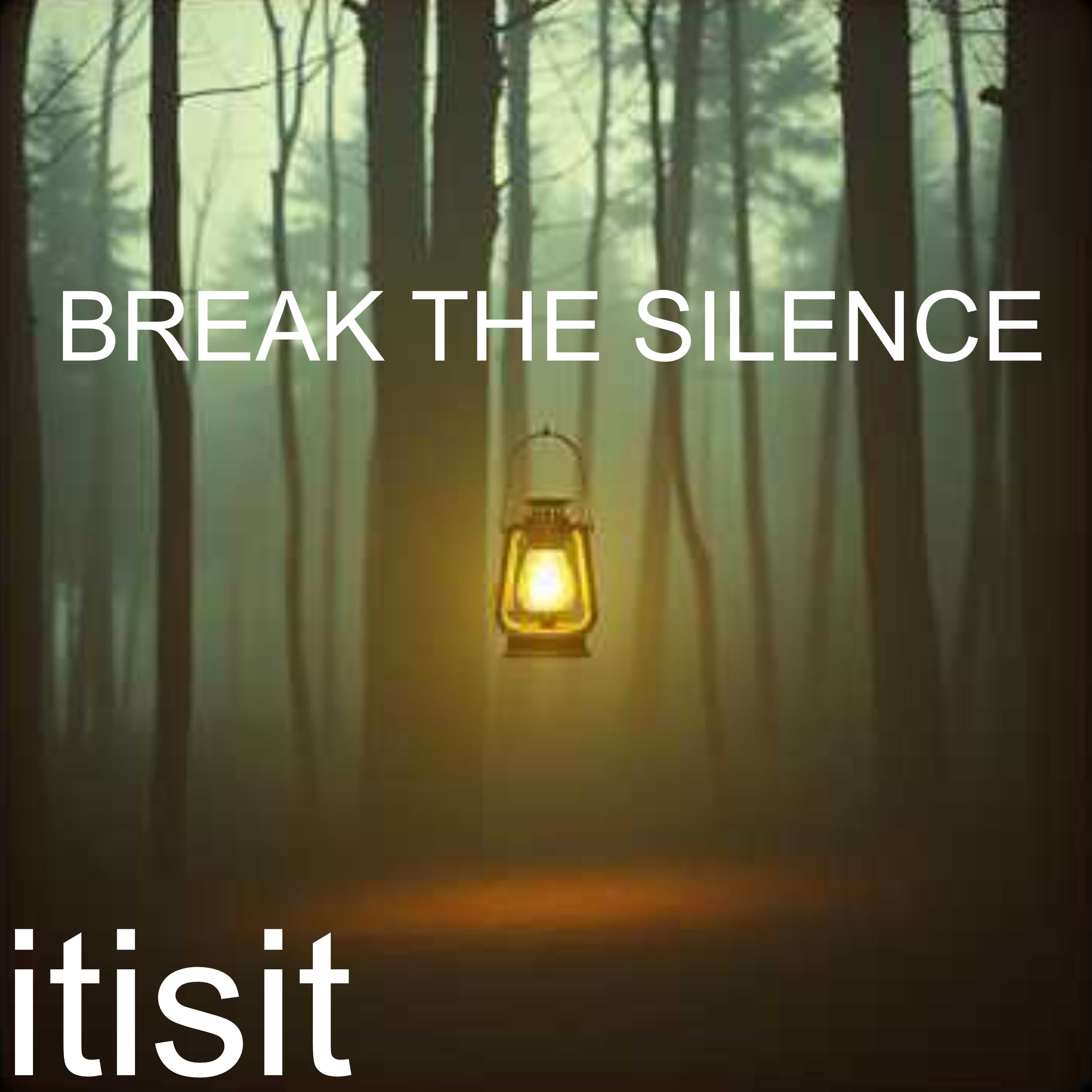
Break the Silence
A compassionate call for men to release hidden pain, reach for support and rediscover hope together.


"He's drowning quiet, and no one knows" — Break the Silence
There's a particular isolation reserved for people who struggle competently — quietly enough that nobody around them ever finds out how bad it's actually gotten. This piece is about that specific loneliness, and why doing it well doesn't make it easier.
Visible struggle, whatever its downsides, tends to attract concern and support almost automatically — people notice and respond. Quiet struggling does the opposite: the very quality that makes it "well managed" from the outside is what prevents anyone from stepping in, since there's nothing visible to respond to.
It might seem like keeping a struggle invisible should make it more manageable — less exposure, less vulnerability. In practice, invisibility usually adds weight rather than removing it: carrying something entirely alone, with no outside perspective and no shared load, tends to be heavier than carrying the same thing with even one other person aware of it.
Being good at hiding a hard time doesn't mean the hard time is smaller — it just means the skill of concealment has improved. That skill is often mistaken, including by the person using it, for evidence that things are actually fine. It isn't evidence of that at all.
There's a song that names exactly this quiet drowning — competent, invisible, and no less real for being unseen — as the honest starting point for everything it says next about reaching out. Give it a listen: https://oiu.com.au/songs/break-the-silence
Ecosystem: The Unspoken
A compassionate call for men to release hidden pain, reach for support and rediscover hope together.

Ecosystem: The Unspoken
There's an unspoken hierarchy where "overcoming" something ranks above merely "managing" it. This piece pushes back directly, making the case that ongoing, undramatic management deserves to count as a genuine win.
Read Story
Ecosystem: The Unspoken
Almost nobody remembers the exact moment they learned not to cry — it arrives in small pieces until it feels like a fact rather than a lesson. This piece looks at how that rule gets installed, and what not having an outlet actually costs.
Read Story
Ecosystem: The Unspoken
A smile usually reads as evidence everything's fine. Sometimes it's doing the opposite — holding real effort together so nobody looks closer. This piece is about that exhausting, protective kind of performance.
Read Story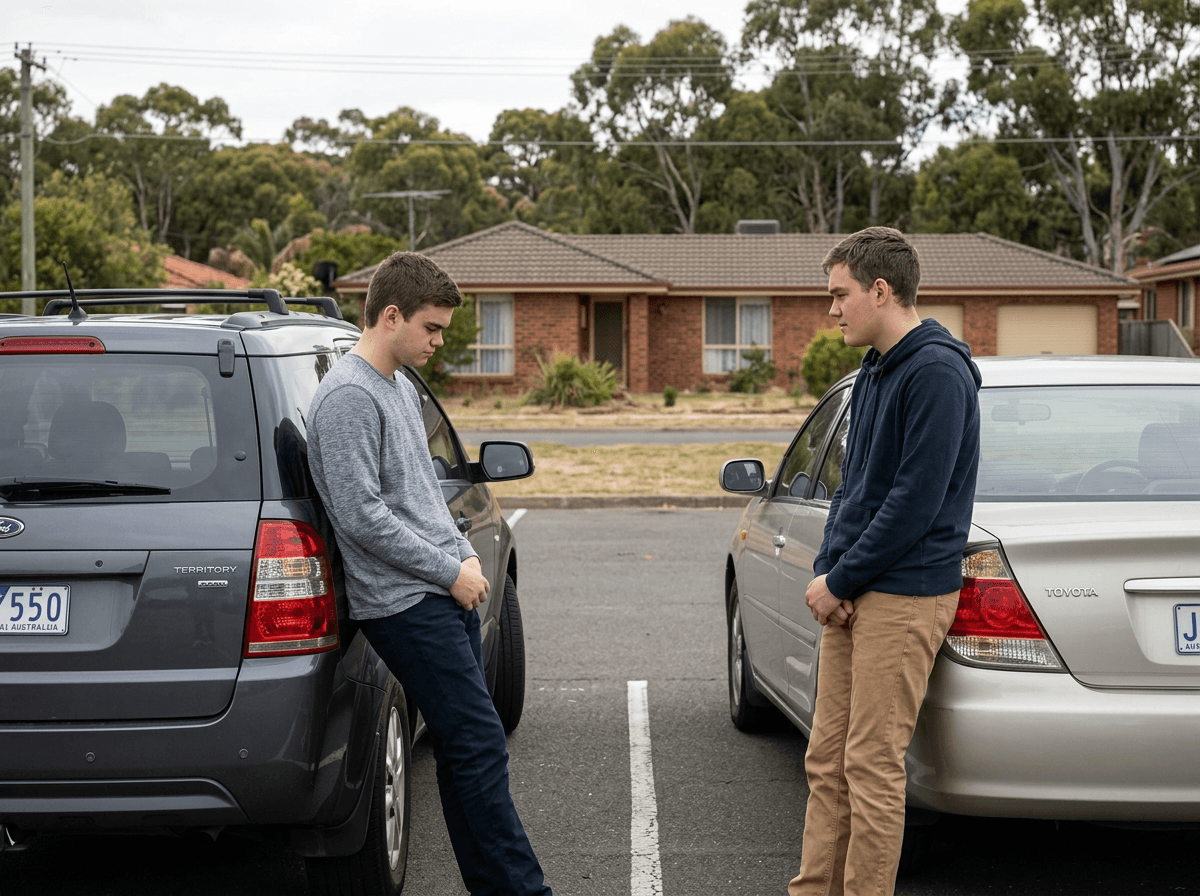
Ecosystem: The Unspoken
Why admitting difficulty can be an act of strength that deepens trust, connection and self-respect.
Read Story
Ecosystem: The Unspoken
Mixed feelings can coexist without making you inconsistent, difficult or broken.
Read Story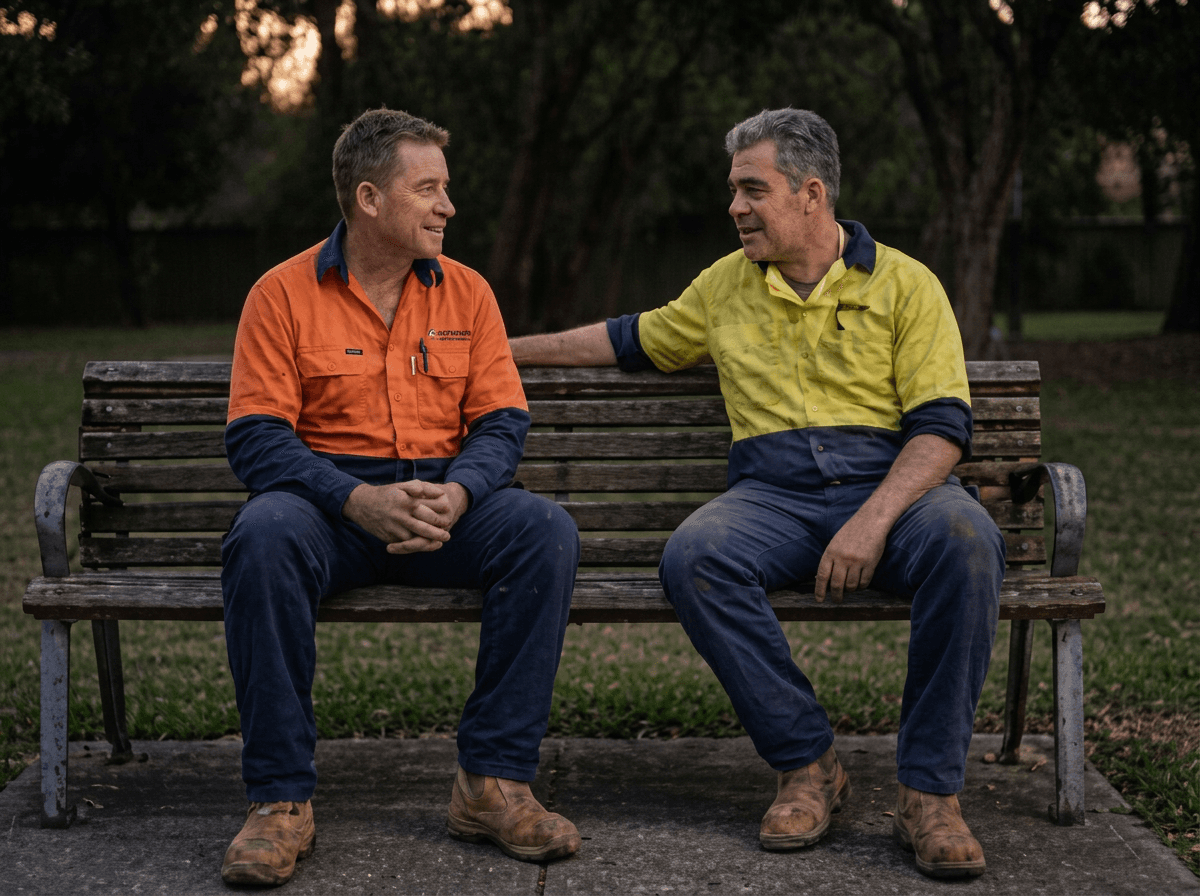
Ecosystem: The Unspoken
When silence becomes automatic, one honest sentence can reopen connection and make support possible.
Read Story
Ecosystem: The Unspoken
"Carry the weight, but never let it overflow" sounds reasonable until it's examined closely — it demands a load be carried while guaranteeing zero visible strain. This piece looks at the quiet impossibility built into that instruction.
Read Story
Ecosystem: The Unspoken
Struggling to put a feeling into words isn't the same as not having one. This piece looks at the gap between feeling something fully and having the practiced vocabulary to say it — and why naming that gap out loud can be enough.
Read Story