Ecosystem: The Search
Trust Yourself Be Yourself
An uplifting song about trusting your inner voice, embracing identity and moving forward bravely.

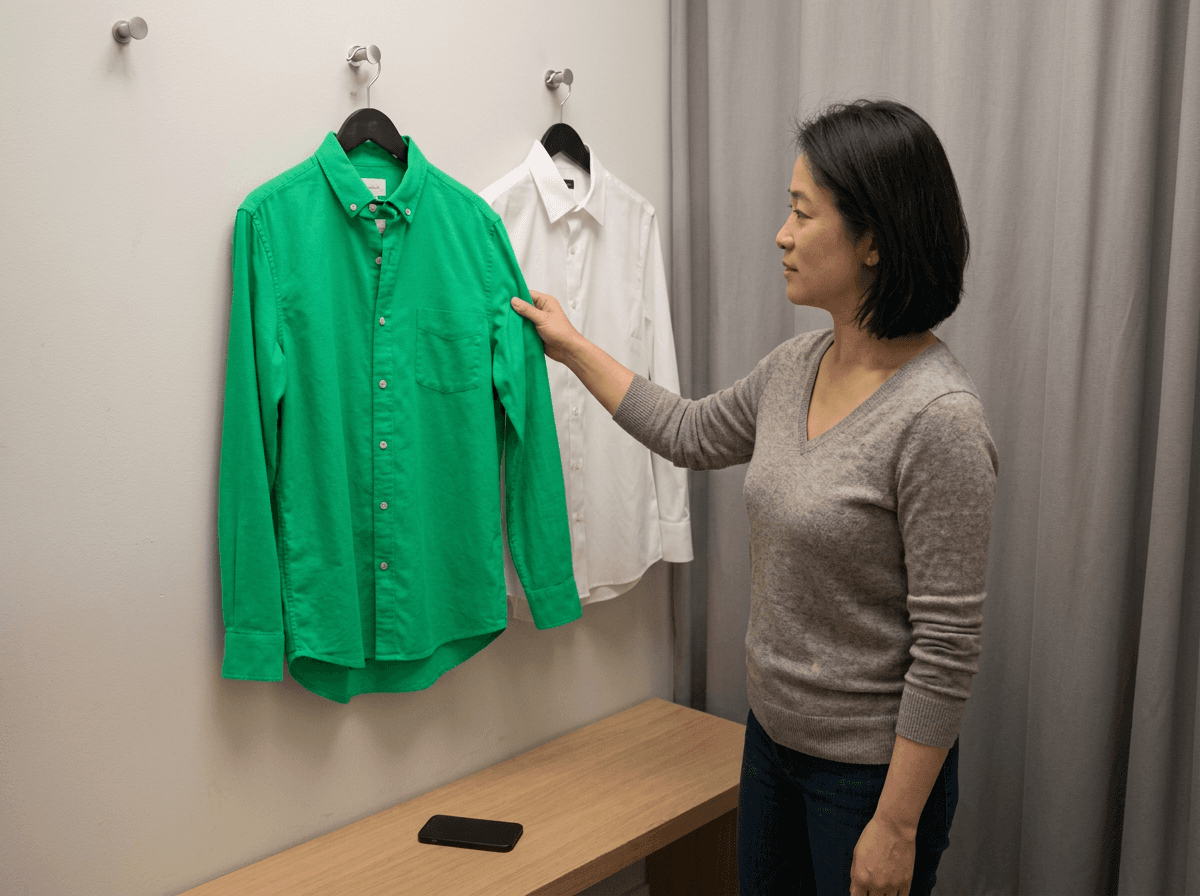
You are standing in a changing room with two shirts. One feels like you. The other is the one you can already hear people approving of. You take a photo, send it to three friends and wait. By the time the replies arrive, the choice no longer feels like yours.
It happens in bigger moments too. You consider a course, a relationship, a new job or a move, then collect opinions until your own preference is buried beneath them. Advice can be useful. But when every personal choice needs a small committee, approval stops being support and starts becoming permission.
You do not need everyone's permission to be yourself.
Most people do not wake up and decide to abandon themselves. It happens through tiny adjustments. You laugh at the joke because everyone else does. You say you do not mind where you eat, although you do. You describe an ambition as a silly idea before anyone else can dismiss it. At work, you keep your concern to yourself because the room seems enthusiastic. With family, you remain the reliable one because changing the arrangement might disappoint somebody.
Each choice can look harmless. Together, they teach you to check the room before checking yourself.
That habit often begins for understandable reasons. Belonging matters. Feedback matters. Sometimes adapting is generous, safe or necessary. The problem is not that other people's views influence you. The problem is giving those views the final vote on matters only you must live with.
Permission-seeking does not always sound like, 'Am I allowed?' It can sound like asking the same question until someone gives the answer you want. It can look like explaining a boundary for ten minutes, hoping the other person will agree that it is reasonable. It can mean postponing a decision because nobody has guaranteed that you will not regret it.
A useful question is: am I gathering information, or am I trying to make someone else responsible for my choice?
Information helps you see consequences. Permission promises protection from discomfort. It cannot deliver. Even a widely approved decision can feel wrong for you, and an unpopular decision can still be thoughtful, ethical and necessary.
Authenticity is sometimes mistaken for saying whatever you feel and ignoring the impact. That is not courage; it is carelessness wearing a confident expression.
You can listen closely, change your mind and compromise without disappearing. The difference is whether you are choosing the compromise or automatically surrendering to avoid disapproval. Honest self-trust leaves room for new evidence. It does not require you to defend every first impulse as your deepest truth.
Suppose a friend questions your plan to leave a secure role. Listen for what they can genuinely see: financial pressure, timing, responsibilities you may have underestimated. Then separate useful information from their discomfort with uncertainty. Their fear may deserve consideration, but it does not automatically deserve control.
You do not have to begin with a dramatic announcement. Self-trust grows through ordinary repetitions.
Choose the meal without polling the table. Wear the shirt you reached for first. Say, 'I can't make it tonight,' without constructing a courtroom defence. In a meeting, offer the respectful disagreement before you know who will support it. When someone asks what you want, pause before saying, 'Anything is fine.'
These moments may feel awkward because you are changing an old agreement: other people are used to easy access to your agreement, flexibility or silence. Their surprise does not prove you are doing something wrong.
A respectful boundary can disappoint someone and still be a respectful boundary.
The hardest part may be allowing people to misunderstand you. You can explain your choice clearly, but you cannot force everyone to recognise the version of you that you are trying to become. Some people will prefer the familiar version: the one who always attends, agrees, fixes, laughs or stays quiet.
You are allowed to hear their disappointment without converting it into an instruction. You are also responsible for repairing genuine harm. The skill is learning the difference between causing harm and simply failing to meet an expectation.
Before seeking another opinion, try asking yourself: What do I already know? Which consequence am I willing to carry? What choice would I make if nobody applauded or objected?
You may still ask for advice after that. The difference is that you arrive as the owner of the decision, not an applicant waiting for approval.
There will always be rooms with preferences about who you should be. Some advice will sharpen you. Some will reveal a blind spot. Some will simply reflect another person's fears, tastes or plans for you.
Listen. Consider. Take responsibility for your effect on others. Then remember whose life will hold the choice after the conversation ends.
You do not need unanimous support to speak honestly, choose thoughtfully or become more recognisably yourself. You need enough courage to stop handing out votes on a life only you can live.
Ecosystem: The Search
An uplifting song about trusting your inner voice, embracing identity and moving forward bravely.

Ecosystem: The Search
What changes when two social worlds overlap — and how to welcome closeness without losing your own shape.
Read Story