Ecosystem: The Unfairness
Raise the Voices
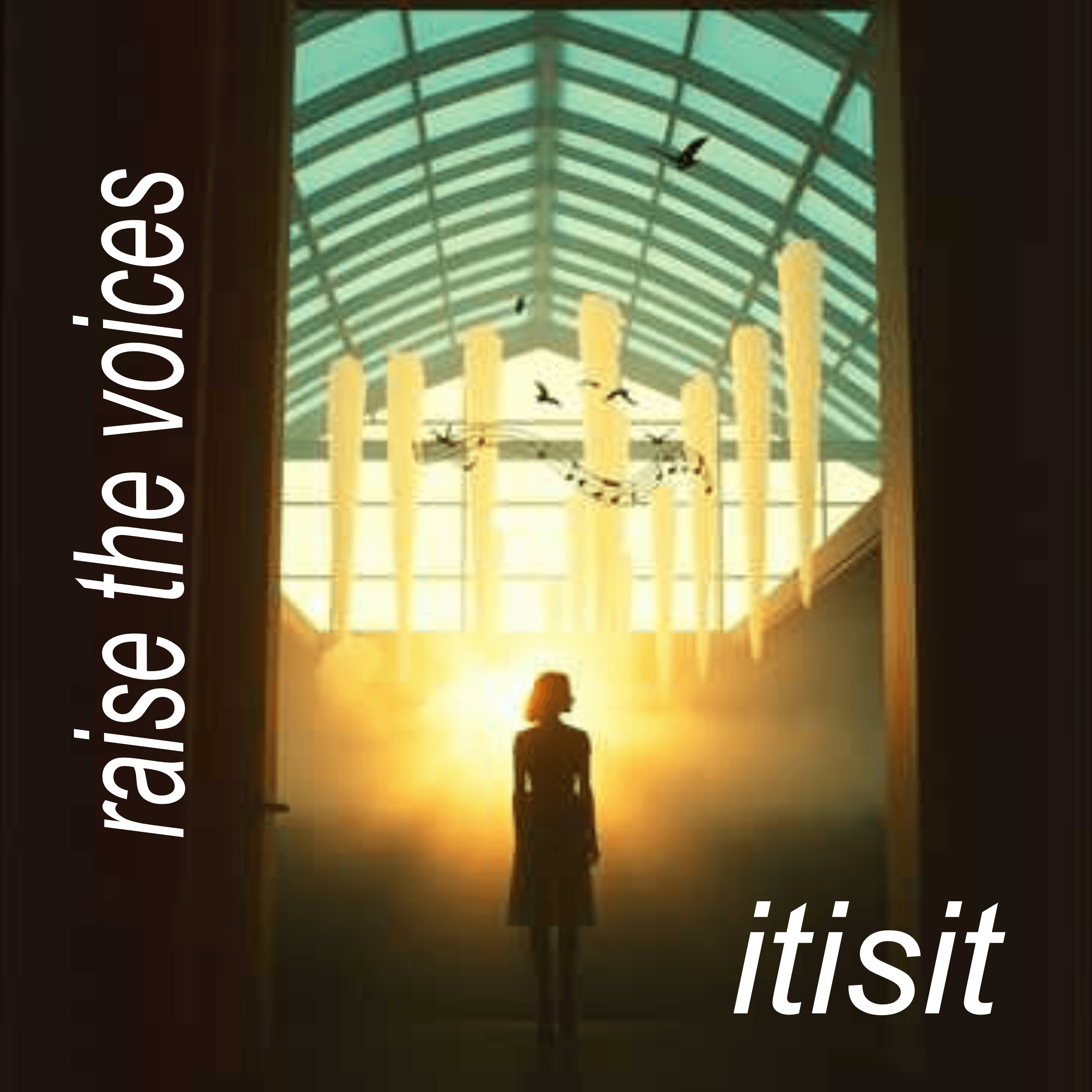
A hopeful call for women's voices, equal leadership and allies who help turn silence into shared progress.


"In the halls where decisions have been made, too few women's names are displayed" — Raise the Voices
Walk into most institutions with any history and you'll find a wall somewhere — portraits, plaques, a list of names under "past leaders." Look closely at who's on it and you'll usually learn something the institution never intended to say out loud. This piece is about reading those walls honestly.
Nobody designs a wall of past leaders to make a statement about exclusion — it's just a record of who actually held the roles. But a record kept faithfully over decades becomes its own kind of evidence, whether anyone meant it that way or not. An overwhelmingly one-sided wall isn't proof of merit; it's proof of who had access to the room in the first place.
It's tempting to point out that nobody was formally barred, so the wall must simply reflect who wanted the roles or worked hardest for them. That framing skips over everything that happens before someone even applies — the mentorship offered or withheld, the assumptions made about who "looks like" a leader, the small frictions that add up long before any formal decision gets made.
A wall of names isn't just history — it's also a signal to everyone walking past it about who belongs in that room next. Changing who's on it isn't cosmetic. It changes what the next generation of candidates believes is possible for people who look like them.
There's a song that opens on exactly this image — the halls, the names, the ones missing — as the starting point for a much larger call. It's worth hearing in full: https://oiu.com.au/songs/raise-the-voices
Ecosystem: The Unfairness
A hopeful call for women's voices, equal leadership and allies who help turn silence into shared progress.

Ecosystem: The Unfairness
Real change begins when we stop treating honest recognition as defeat and start choosing repair.
Read Story
Ecosystem: The Unfairness
Small choices about attention, credit and invitation determine whose ideas can shape the room.
Read Story