Ecosystem: The Unfairness
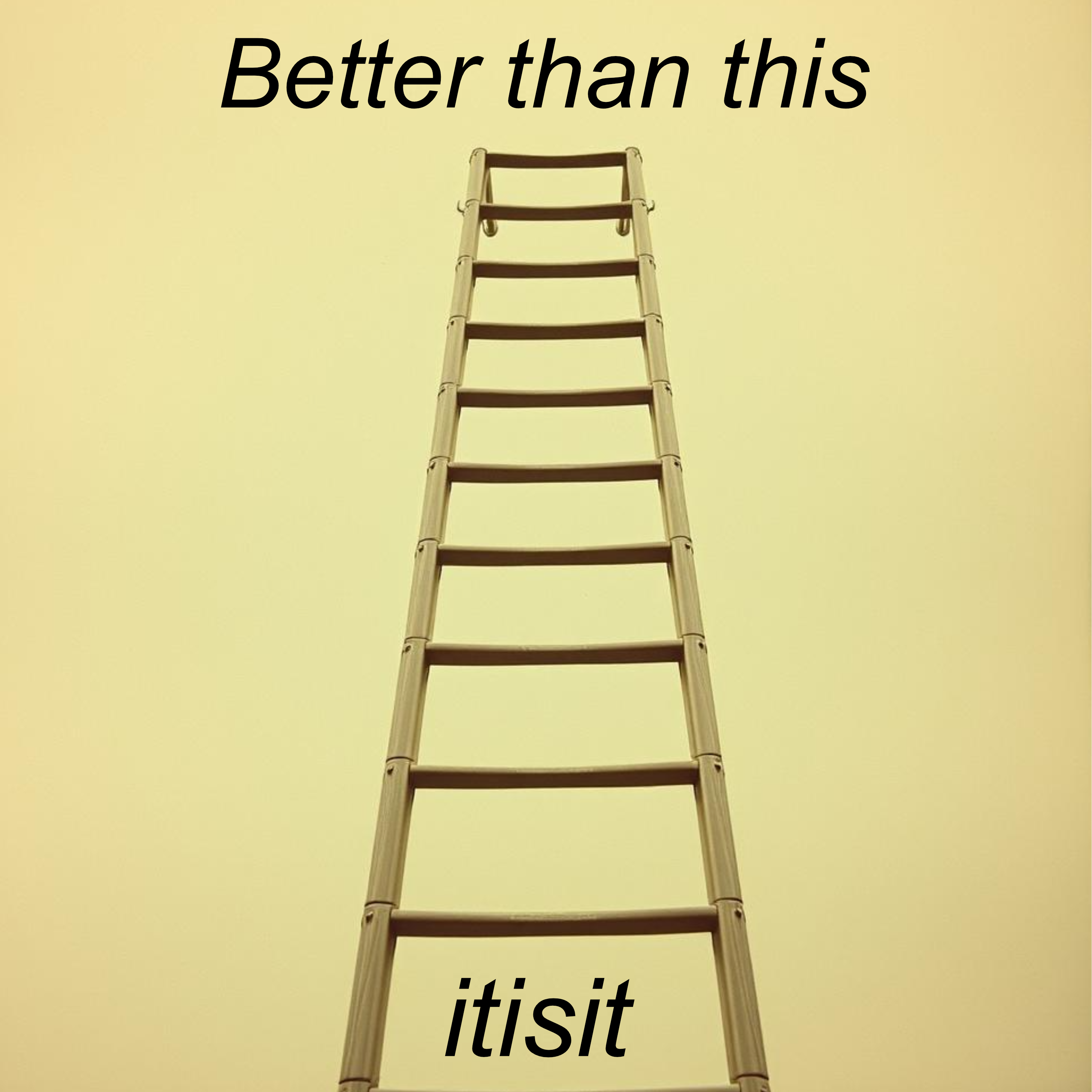
Better Than This
A hopeful call to confront inequality, release pride and build change through courage and kindness.


You are halfway through a difficult conversation when you feel the urge to defend yourself. Your partner says they have been carrying more of the household load. A colleague says your joke landed badly. A friend tells you that you interrupted them again. Before they finish, the explanations are already forming: I did not mean it that way. You know how busy I have been. That is not fair.
The problem is not always that we cannot see what is broken. Often, we see it clearly enough to feel threatened by it. We confuse acknowledging harm with admitting that we are hopeless, cruel or beyond repair. So we defend our intentions and leave the impact untouched.
Real change begins when we stop treating honest recognition as defeat.
Defensiveness is rarely dramatic. It can sound measured and reasonable. A manager responds to a concern about who gets heard in meetings by listing every time they invited feedback. A parent hears that their child feels dismissed and replies with everything they have sacrificed. A man confronted with an unfair expectation says he has never personally stopped anyone from succeeding.
Each response may contain truth. None of them answers the truth that was offered.
We often reach for evidence of being a good person when the conversation is asking us to examine a harmful pattern. That move protects identity, but it blocks learning. The person speaking is left with a second burden: first the original problem, then the job of reassuring us that we are not terrible.
Being good is not a permanent status we defend. It is a direction we keep choosing.
There is a particular discomfort in realising that you missed something important. Perhaps you notice that the women in your office are repeatedly asked to organise celebrations while the men are asked to lead strategy. Perhaps your partner finally explains why a supposedly harmless comment has worn them down. Perhaps you hear yourself telling a boy not to cry and recognise the same rule that once made your own feelings difficult to name.
Embarrassment is understandable. It tells us that our behaviour has collided with our values. But embarrassment becomes dangerous when we use it as a reason to withdraw, attack or demand immediate forgiveness.
A better response is smaller and braver: I did not see that. I can see it now. Tell me what I need to understand.
That sentence does not solve everything. It does something essential first: it keeps the door open.
Listening is sometimes described as passive, as though the courageous person is the one making the speech while everyone else waits. In difficult conversations, listening can be the hardest action in the room. It requires us to tolerate the gap between how we see ourselves and how someone else experiences us.
You can practise this in ordinary moments. When someone raises a concern, do not begin with your intention. Repeat what you think you heard. Ask what the pattern has cost them. Notice whether you are searching for a technical exception instead of understanding the experience. If an apology is needed, make it without turning it into a request for comfort.
Listening does not require agreement with every detail. It requires enough humility to let new information change the picture.
The strongest apology is visible in what happens next. The meeting changes so the same voices do not dominate. Household work is named and shared rather than vaguely promised. A parent replaces “toughen up” with “tell me what happened.” A friend notices the interruption, stops and gives the conversation back.
These acts may look modest. Repeated, they change the rules of a relationship. They also make courage practical. We do not need to wait until we feel perfectly informed, completely unashamed or certain we will never make another mistake. We need to become willing to notice sooner and repair more honestly.
Progress is not proved by how rarely we are challenged. It is proved by what we do when the challenge arrives.
Many of us learned that strength means certainty, control and an answer for everything. But a stronger life makes room for different words: I was wrong. I did not know. I am listening. I will change this.
Those words do not make us smaller. They release us from the exhausting work of pretending that growth should never be necessary.
We will keep missing things. We will inherit habits we did not choose and repeat assumptions we barely notice. That is not permission to remain unchanged. It is a reason to build relationships, workplaces and communities where truth can be spoken without every conversation becoming a trial of someone’s worth.
The moment we stop defending what is broken, we gain both hands for the work of repair. That is how we become better than this.
Ecosystem: The Unfairness
A hopeful call to confront inequality, release pride and build change through courage and kindness.

Ecosystem: The Unfairness
Small choices about attention, credit and invitation determine whose ideas can shape the room.
Read Story