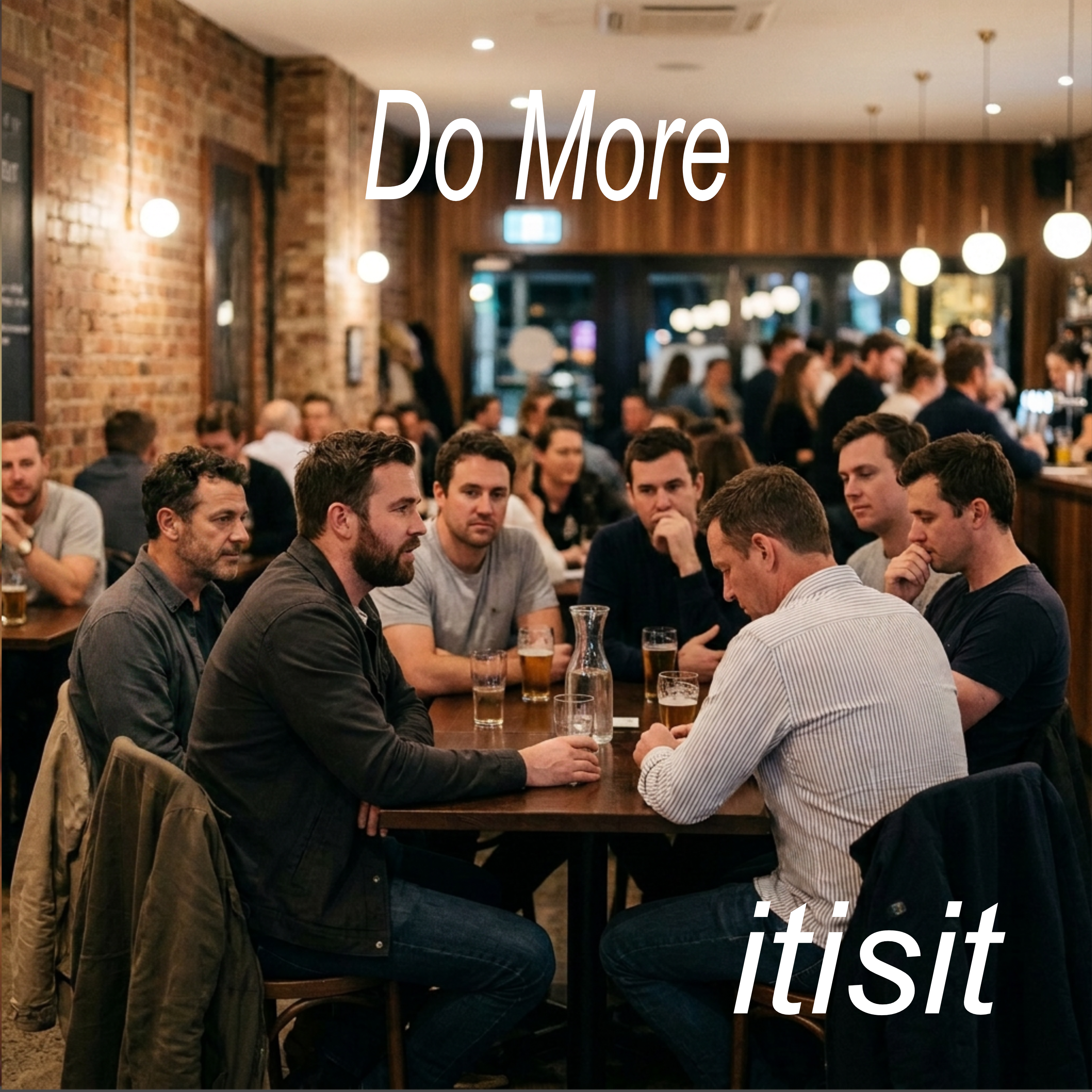
Ecosystem: The Unfairness
Do More
A call for men to move beyond quiet agreement — to call out disrespect when they see it and stand beside women in making equality real.

"Never meant to make respect conditional" — Do More
We often treat respect like a prize handed out for good behaviour, status or agreement. But basic respect isn't something one person gives another. It's the starting point everyone is owed, and treating it as earned quietly puts some people above others.
"Respect has to be earned" sounds fair. It suggests standards and accountability. But listen to how it's actually used. It rarely means "I'll trust your judgement once you've shown it." More often it means "I'll treat you as an equal once you've proved you deserve it."
Those are two very different things. Trust, admiration and deference can be earned. Basic respect is different: being listened to, taken seriously, and not belittled or talked over. Once that becomes something you have to qualify for, someone has to sit in judgement and decide who qualifies.
That's where the problem sits. If respect is a reward, then whoever holds the reward holds the power. They decide whose voice counts, whose experience is believable and whose discomfort matters. The people asking for respect are put in the position of applicants, waiting to see if they've done enough.
Most of us would never say that out loud. But it shows up in small ways: someone has to repeat a point before it's heard, or be twice as polished to be taken half as seriously, or prove their competence on day one while someone else is given the benefit of the doubt.
The alternative isn't complicated. It's starting from the assumption that the person in front of you is your equal, with as much right to be heard, to choose and to be treated with dignity as you have. Not because they've earned it, but because that's how people are meant to live alongside each other.
That doesn't mean agreeing with everyone or excusing bad behaviour. You can disagree strongly, hold people accountable and set boundaries, all from a starting point of respect. What changes is that respect stops being something you can withhold to put someone in their place.
Next time you notice yourself thinking someone hasn't "earned" respect yet, it's worth a pause. Ask whether you mean they haven't earned your trust, which is fair, or whether you've quietly placed yourself above them, which isn't.
Different voices, equal weight. That's not a generous gift. It's the baseline.
There's a song built around exactly this idea. Do More opens with the reminder that we were "never meant to stand above" one another, and that no one should have to ask for respect "like it's something we can give." Listen to Do More.
Ecosystem: The Unfairness
A call for men to move beyond quiet agreement — to call out disrespect when they see it and stand beside women in making equality real.

Ecosystem: The Unfairness
Some inequalities are small, physical, and easy to walk past — like women waiting far longer in restroom lines than men. This piece looks at what noticing those overlooked details actually reveals about who counts as the default.
Read Story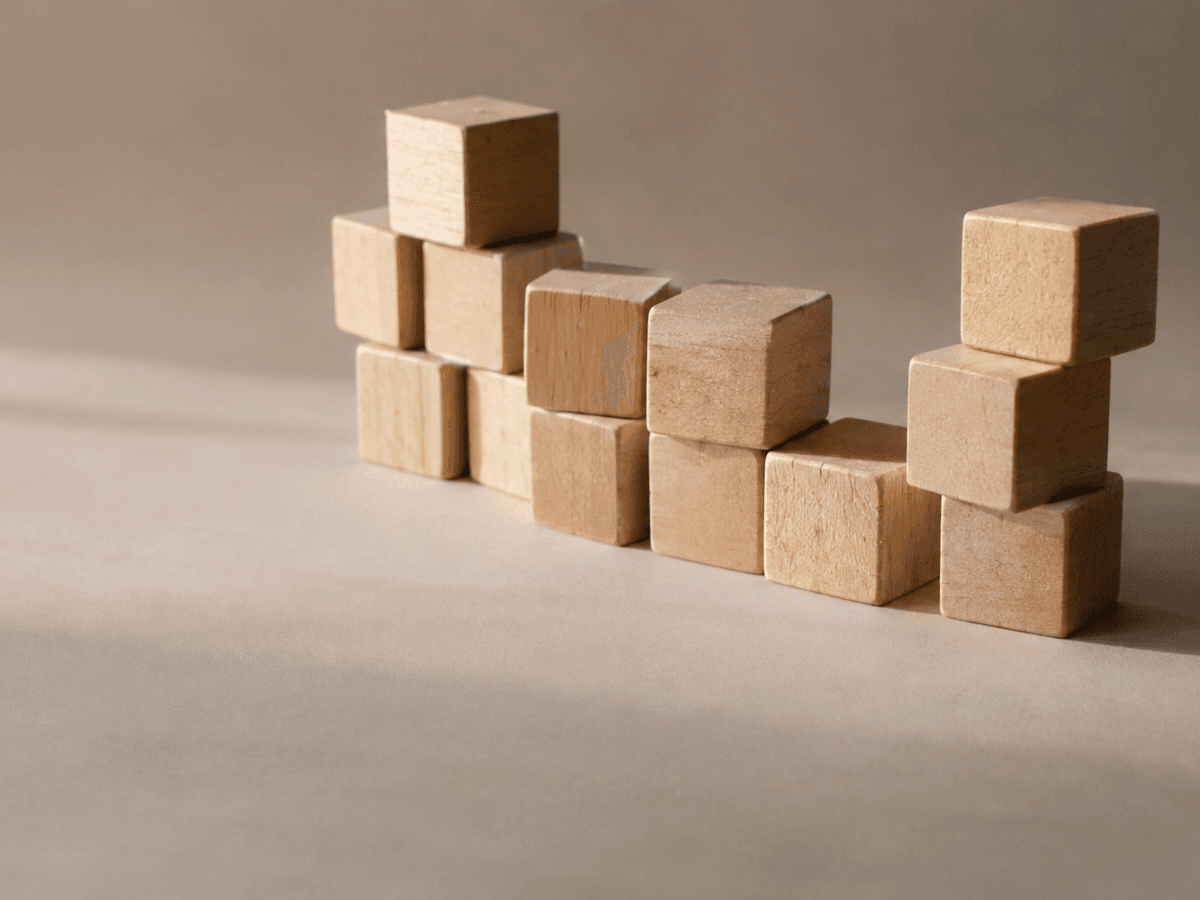
Ecosystem: The Unfairness
Some barriers are easy to name because they're written down. Others are real and measurable in their effects, yet almost impossible to point to directly. This piece looks at how those unseen walls actually get built, one small choice at a time.
Read Story
Ecosystem: The Unfairness
Small choices about attention, credit and invitation determine whose ideas can shape the room.
Read Story
Ecosystem: The Unfairness
Real change begins when we stop treating honest recognition as defeat and start choosing repair.
Read Story
Ecosystem: The Unfairness
Most institutions have a wall of past leaders, and looking closely at who's on it usually reveals something never intended to be said out loud. This piece is about reading those walls honestly, and why changing them matters.
Read Story